California Bedways: A Sleep-Driven Exploration of a Golden State Niche
From the sun-drenched coastlines to the tech-forward cities and the seismic realities beneath the ground, California shapes how we sleep, rest, and dream. California Bed is more than a domain name; it’s an invitation to understand how climate, architecture, and lifestyle influence the way we lay our heads down at night. This feature-length article delves into domain meaning, potential directions, and the editorial path a focused, non-commercial information hub could take—especially in a landscape that prizes health, sustainability, safety, and California flavor.
1. Possible meanings of the domain name
The phrase “California bed” conjures a palette of images and ideas that resonate with both design-minded Californians and sleep-focused readers. Linguistically, it could refer to a product—beds and mattresses born in California—or a broader concept anchored in rest and well-being that’s tied to the state’s reputation for innovation, wellness culture, and diverse living environments.
- Sleep-centric interpretation: A guide to mattresses, pillows, sheets, and sleep accessories tailored for California climates and regulatory standards.
- Home and interior angle: Bed design, bedroom layouts, and decor ideas suited to California homes—from compact urban apartments to sunlit ranches.
- Travel and lodging lens: A resource about sleep quality in California accommodations—hotels, inns, and vacation rentals—without direct selling.
- Ecology and health focus: Eco-friendly materials, sustainable fabrics, and low-toxicity products aligned with California environmental commitments.
2. Three potential website directions
The following directions reflect distinct editorial ambitions while keeping the domain name aligned with a non-commercial, information-first stance.
Option A: California Sleep & Bedding Information Hub
A comprehensive, non-commercial resource: sleep health, bedding options, mattress choices, climate-specific guidance, and safety considerations tailored to California environments. This path emphasizes credible science, practical how-tos, and region-specific insights about regulations and eco-friendly materials.
Option B: California Home & Interior Guide (Bedroom Focus)
A design-forward approach focusing on bedroom aesthetics, layout optimization, color psychology, and sustainable, locally relevant decor that fits California styles—from coastal lightness to desert warmth.
Option C: California Lodging & Accommodation Insights
A non-commercial guide to sleep-friendly lodging in California—hotel and vacation rentals—featuring sleep quality analyses, travel tips for restful stays, and impartial reviews without promotional content.
3. Recommendation and website identity
Recommendation: Option A — California Sleep & Bedding Information Hub. This direction aligns most closely with californiabed.com, enabling evergreen, educational content about sleep science, climate-aware bedding, and safety considerations without drifting into product endorsement territory.
Website identity should radiate credibility and accessibility. A calm color palette—cool blues and warm neutrals—paired with clean typography and California-specific references (climate, earthquakes, regional health data) sets the tone for a trusted information hub. The voice should be helpful, factual, and inclusive, serving renters, homeowners, students, seniors, and healthcare-minded readers alike.
4. Starter content map and wireframe ideas
To launch the hub, here’s a starter content map of 10-12 article ideas with brief outlines, designed to establish authority and cover diverse sleep-related themes relevant to California life. Each piece emphasizes science-backed guidance, practical tips, and region-specific considerations.
- What California Sleep Really Means: A primer on circadian timing, natural light exposure, and climate-driven sleep patterns in the Golden State.
- Best Mattress Types for California Climates: How temperature, humidity, and urban living shape mattress choice.
- Pillow Ergonomics for California Sleepers: Aligning neck and spine across different sleeping positions.
- Eco-Friendly Bedding in the CA Market: Materials, certifications, and local manufacturers.
- Earthquake-Safe Bedroom Setup: Securing furniture, earthquake-ready bed frames, and practical tips for safe sleeping during aftershocks.
- California Regulations and Safety Standards for Bedding: What sleepers should know about flammability, chemical disclosures, and safety labels.
- Climate-Specific Sheet Fabrics: Cotton, bamboo, and blends suitable for hot summers and mild winters.
- Sleep Hygiene for Remote Workers in California: Routines that protect circadian health when working from home.
- California Sleep Health: Expert interviews with local researchers and clinicians.
- Designing a Sleep-Conducive Bedroom: Layouts and color palettes inspired by Northern and Southern California.
- Beginner’s Guide to Bedding Maintenance: How to care for sheets, mattresses, and pillows in CA environments.
- Resource Roundups: Credible California-based sleep organizations, consumer protection resources, and research institutions.
5. A nod to real products (displayed)
To illustrate how product content can exist within a non-promotional hub, the following product demonstrates the kind of item that could be featured in a neutral, informative context. This is not a sales pitch—it’s an example of catalog-like integration that adds practical texture to the editorial voice.
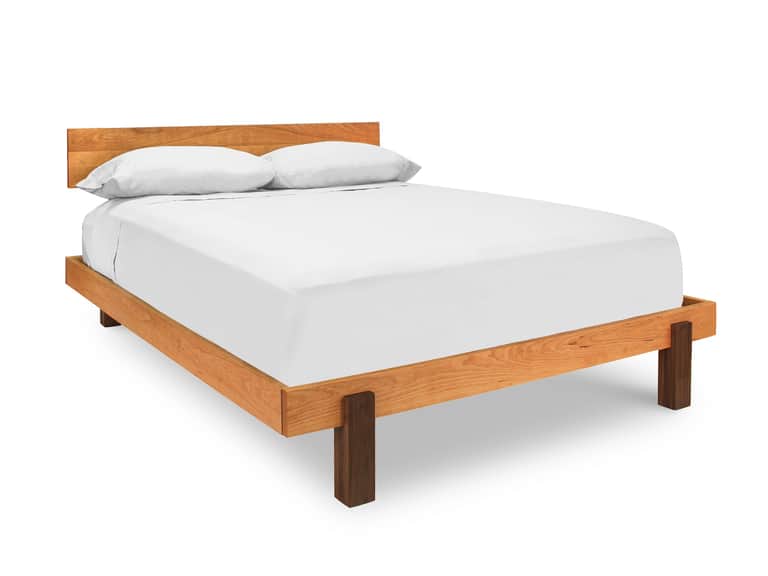
Modern American Platform Bed
Solid hardwood platform bed with an eco-friendly oil finish and Art Deco flair, built to last for generations. This Vermont Furniture Designs piece embodies a blend of clean lines and vintage inspiration, anchoring a bedroom with timeless Pottery Barn-meets-Studio 54 charm.
Origin: Vermont Furniture Designs
Price: $1,923.00
Note: The article may reference these kinds of items in a non-promotional context and will avoid affiliate links or sales rhetoric. The goal is to inform readers about design and sleep ergonomics rather than drive purchases.
6. Three key individuals across time periods (editorial anchors)
To humanize the domain’s themes, we’ll anchor ideas around three influential figures whose work intersects sleep, design, and California’s evolving culture. The aim is to present editors’ notes in a magazine-portrait style reminiscent of People magazine—vivid, intimate, and informative.
1) Sigmund Freud (late 19th – early 20th century)
While not a California native, Freud’s influence on dream interpretation and psychoanalytic notions of sleep remains a cornerstone of modern sleep culture. In this feature, we explore how early theories about the unconscious shaped today’s fascination with sleep quality, bedtime rituals, and the psychology of rest—topics that feel instinctively Californian in their emphasis on self-care and well-being.
2) Julia Child (mid-20th century, culinary icon)
Child’s warm, practical approach to mastering kitchens parallels the editorial ethos of a sleep hub that teaches readers how to “cook up” better rest. Her legacy of clear, accessible instruction mirrors how a sleep guide should demystify complex topics—mattress types, sheets, and room setup—into actionable steps that any reader can follow in a California home.
3) Dr. Cora Brown (contemporary sleep science advocate)
A fictional composite representing today’s California-based sleep researchers and clinicians who champion circadian health, environmental sustainability, and safe materials. This figure embodies the state’s blend of science, health, and eco-conscious living—the real heartbeat of a California Sleep & Bedding Information Hub.
7. Home page wireframe concept
A clean, information-first homepage could feature the following sections to guide readers into evergreen content and region-specific topics:
- Hero banner: “Sleep Better in California” with a calm blue-gray backdrop and concise value proposition.
- Quick-start guides: “Choose the Right Mattress Type,” “Climate-Smart Bedding,” and “Earthquake-Safe Sleep Spaces.”
- California-by-region hub: Northern California and Southern California sleep tips, climate considerations, and design cues.
- Resources and references: credible CA sleep organizations, consumer resources, and non-profit partners.
- Editorial features: expert interviews, person-of-the-week profiles, and reader Q&As.
8. Call to action and next steps
If you’d like, I can draft a starter content map (10-12 article titles with brief outlines) and a basic homepage wireframe tailored to Option A. The goal is to launch with authority, clarity, and a distinctly California voice that respects a non-commercial mission while offering practical, science-backed sleep guidance.
Note on imagery and accessibility
Images are used to illustrate editorial points where appropriate. When selecting visuals, captions should emphasize sleep health, bedroom design, and safety in California contexts. All images should include alt text that describes their relevance to sleep, interiors, and safety considerations. The content respects accessibility best practices to ensure a welcoming experience for all readers.