Celine Bed End
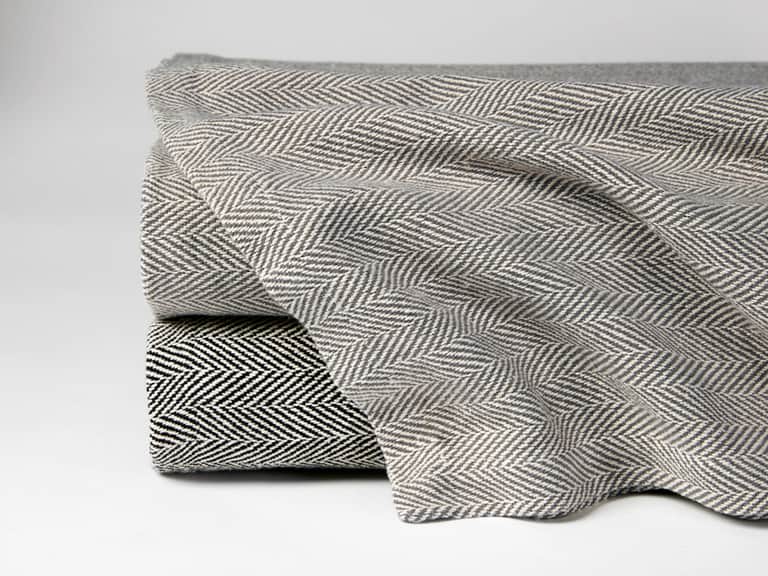
Experience a plush, inviting edge with the Celine Bed End — brushed cotton for soft warmth, a refined herringbone texture, and durable, easy-care fabric that sits neatly on the bed and lasts.
California is a state of diverse climates, architectural styles, and living spaces—from sun-drenched coastal homes to drought-aware urban apartments and earthquake-ready bungalows. This guide explores how California’s climate and housing variety shape mattress choices, care routines, and sleep setups that help you wake refreshed, no matter where you live in the Golden State. We’ll cover mattress types, climate-specific considerations, and practical care tips, while staying firmly non-promotional and focused on health, safety, and sustainability.
California’s geography creates a spectrum of sleeping environments. The arid, dry heat of inland valleys and the maritime dampness of coastal regions each pose unique demands on comfort, durability, and airflow. The right mattress should balance contouring support with breathability, moisture management, and resilience to temperature swings.
Traditional innerspring mattresses and modern hybrids blend robust support with spring-based bounce. In California, where humidity can spike in coastal areas, hybrids with pocketed coils and breathable foams promote airflow, reducing heat buildup on warm nights. Look for models with breathable cover materials and zoned support to accommodate varying body needs.
Memory foam tends to conform closely, delivering pressure relief, but can trap heat if the foam isn’t breathable enough. In drier CA climates, high-density foams can still feel comfortable when paired with breathable covers. Latex offers natural cooling properties and responsive support, often preferred for its buoyant feel and durability in dry air.
Hybrids combine coils with memory foam or latex for a balance of support and conforming comfort. For California sleepers, hybrids with breathable latex comfort layers and moisture-wicking covers can manage coastal humidity while remaining cool on hot summer nights inland.
California homes increasingly feature adjustable bases, enabling personalized elevation for enhanced comfort. An adjustable base can optimize spinal alignment, reduce snoring tendencies for some sleepers, and improve digestion comfort when paired with the right mattress type.
Beyond choosing a mattress, California sleepers benefit from climate-conscious bedding and maintenance routines that extend mattress life, support sleep health, and minimize environmental impact.
Coastal fog and humidity can encourage dust mites and mold in some environments. Use encasements for mattresses and pillows, wash sheets at suitable temperatures, and maintain low humidity with dehumidifiers where needed.
California sleepers often prioritize sustainable materials. Look for certifications (GOTS, OEKO-TEX) and explore locally manufactured or regionally sourced textiles to reduce environmental impact.
A well-cared-for mattress lasts longer, supports better sleep, and remains hygienic for years. California’s varied climate makes consistent care especially important.
Rotate the mattress every few months to promote even wear. If your mattress has a removable cover, launder it according to the manufacturer’s instructions to maintain fabric integrity and hygiene.
Use a breathable, organic cotton or bamboo mattress protector to guard against spills and allergens. Ensure the protector fits snugly to avoid bunching beneath sheets.
In humid coastal climes, consider a dehumidifier in the bedroom. In dry inland regions, ensure good ventilation to prevent static and dryness that can irritate skin and sinuses.
Secure furniture, anchor tall pieces to walls, and keep clear pathways around beds for quick, safe movement during tremors.
When selecting bedding materials, prioritize fabrics with certifications and consider durability and repairability. A longer-lasting mattress and bedding reduces waste and supports healthier sleep ecosystems.
To illuminate the timeless pursuit of better sleep, we explore three influential individuals across distinct eras—each shaping how we think about beds, bedrooms, and the science of sleep. Their ideas echo through the way we design, care for, and inhabit our sleep spaces in California today.
An advocate for supportive, hygienic sleep environments in urban homes, Wilcox’s era emphasized sturdy foundations and clean aesthetics. His emphasis on durable materials and practical bedroom arrangements resonate with today’s California homeowners prioritizing longevity and ease of care.
A pioneer in interior design and sleep health advocacy, Kelly championed calm color palettes, ergonomic layouts, and the idea that sleep quality begins with a thoughtfully arranged room. Her influence persists in the California design ethos of serene, sun-soaked bedrooms that nurture rest.
A contemporary sleep scientist and advocate for circadian health, Dr. Chen emphasizes light exposure, environment, and routine. Her work underlines climate-aware sleep strategies—an ethos reflected in California-focused sleep guidance that blends science with climate-aware practicality.
Note: The individuals above are used illustratively to demonstrate the kinds of influence that shape how we think about sleep spaces in California. They help contextualize a modern, health-forward approach to bedding and bedroom design that aligns with our non-commercial, evidence-based focus.
In the spirit of elevating a California-friendly sleep space with tasteful, durable details, consider the Celine Bed End—a refined touch that sits at the edge of the bed, adding a plush texture and an understated elegance. Crafted in Portugal from 100% cotton with a brushed nap and herringbone weave, this bed-end complements a calm, sophisticated bedroom aesthetic.
The Celine Bed End offers a refined, durable texture that sits gracefully at the edge of the bed. Its brushed cotton finish and herringbone weave create a plush, tactile detail without overpowering the room.
Material: 100% cotton; Finish: Plain hem; Colorways: Charcoal and Black variants

Image: Celine Bed End in Black – SFERRA
Price: 124.00 (MSRP). This piece epitomizes the refined, understated elegance that characterizes thoughtful California bedrooms—where quality details contribute to a restorative sleep environment.
California’s climate diversity invites a flexible, informed approach to sleep. By selecting mattress types that balance support and breathability with climate-specific bedding strategies, you can optimize sleep quality across the state. This guide champions a non-promotional, health-forward perspective—prioritizing credible sleep science, sustainable materials, and practical room design that supports sound, restorative nights.
As you plan your California sleep strategy, remember: - Choose mattress types that align with local humidity and temperature patterns. - Invest in breathable covers, protective barriers, and climate-appropriate bedding. - Maintain a safe, organized sleep space that can withstand California’s seismic realities. - Seek credible sources, avoid product bias, and support eco-friendly choices.