 Mattresses
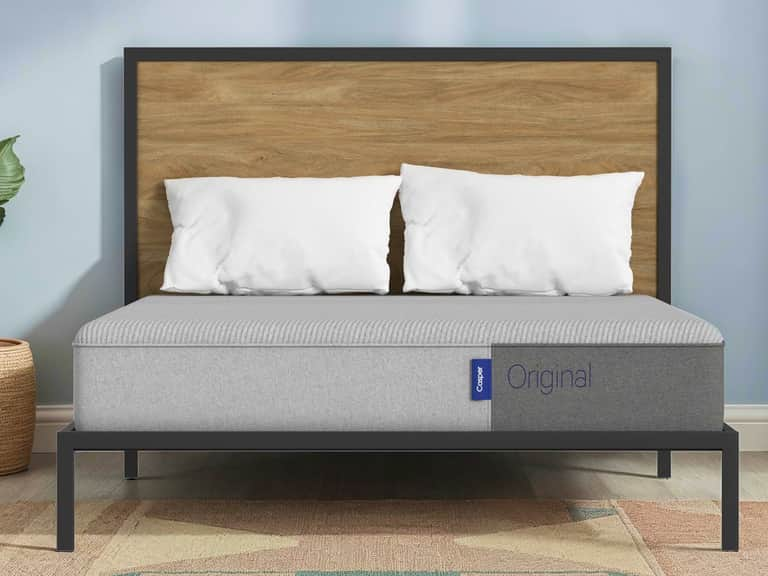
Original Mattress
Sleep cooler with airflow-enhancing foam that gently contours to your body and eases pressure. Three ergonomic support zones help keep your spine aligned for comfortable, balanced rest.
Foam mattresses use layers of flexible cushioning material to support the body and distribute pressure across the sleeping surface. Their construction can influence firmness, motion transfer, and temperature regulation. Understanding these characteristics helps explain how a foam mattress fits into a bedding setup alongside pillows, sheets, and duvet covers.
The Original Mattress is a foam mattress designed to provide a balanced feel, combining cushioning with support for everyday sleep. Its responsive surface can help accommodate different sleeping positions, while foam layers may reduce the transfer of movement between partners. Comfort and support can vary with body type and preferred firmness.
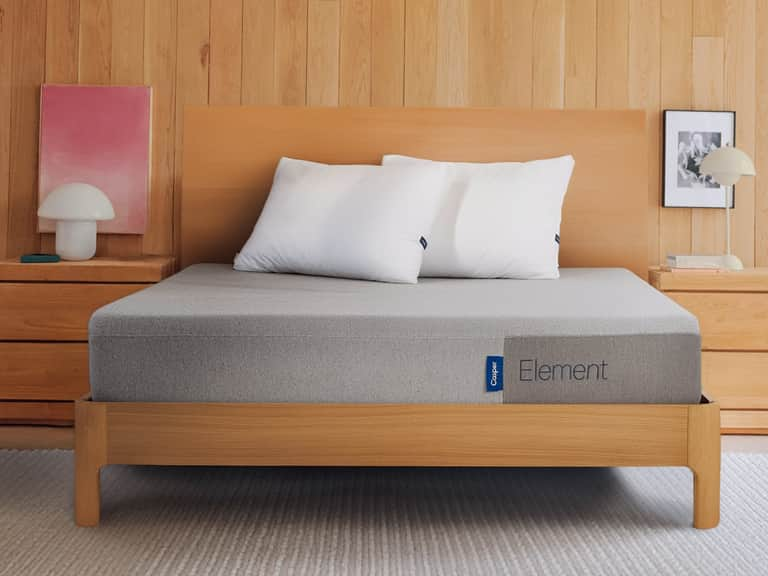
The Element Mattress is another foam option, with a straightforward layered design focused on cushioning and stable support. Its foam construction can contour to the sleeper and help limit disturbances caused by movement. Comparing the Element Mattress with the Original Mattress involves considering feel, support preferences, and the needs of the intended sleep space.
Foam mattress features can include pressure relief, motion isolation, and a close-fitting feel, though performance depends on materials, layer arrangement, and firmness. Proper care and compatible sheets can support comfortable use. Ventilation, room conditions, and individual temperature preferences also matter when assessing the sleeping experience.
When evaluating foam mattresses, consider dimensions, firmness, support needs, and how the mattress coordinates with other bedding. Pillows and duvet covers contribute to overall comfort, while organic mattresses refer to products made with qualifying organic materials and certifications. These distinctions help clarify material preferences without assuming all foam mattresses are organic.
Mattresses
 Mattresses