Bath mats and rugs play a practical role in moisture management, foot comfort, and bathroom safety, making them an essential textile in any well-appointed space. This category covers materials, textures, and designs that balance absorbency with quick-dry performance while contributing to overall bathroom hygiene and aesthetic. Understanding fiber types and pile height helps users select options suited to daily routines and foot traffic.
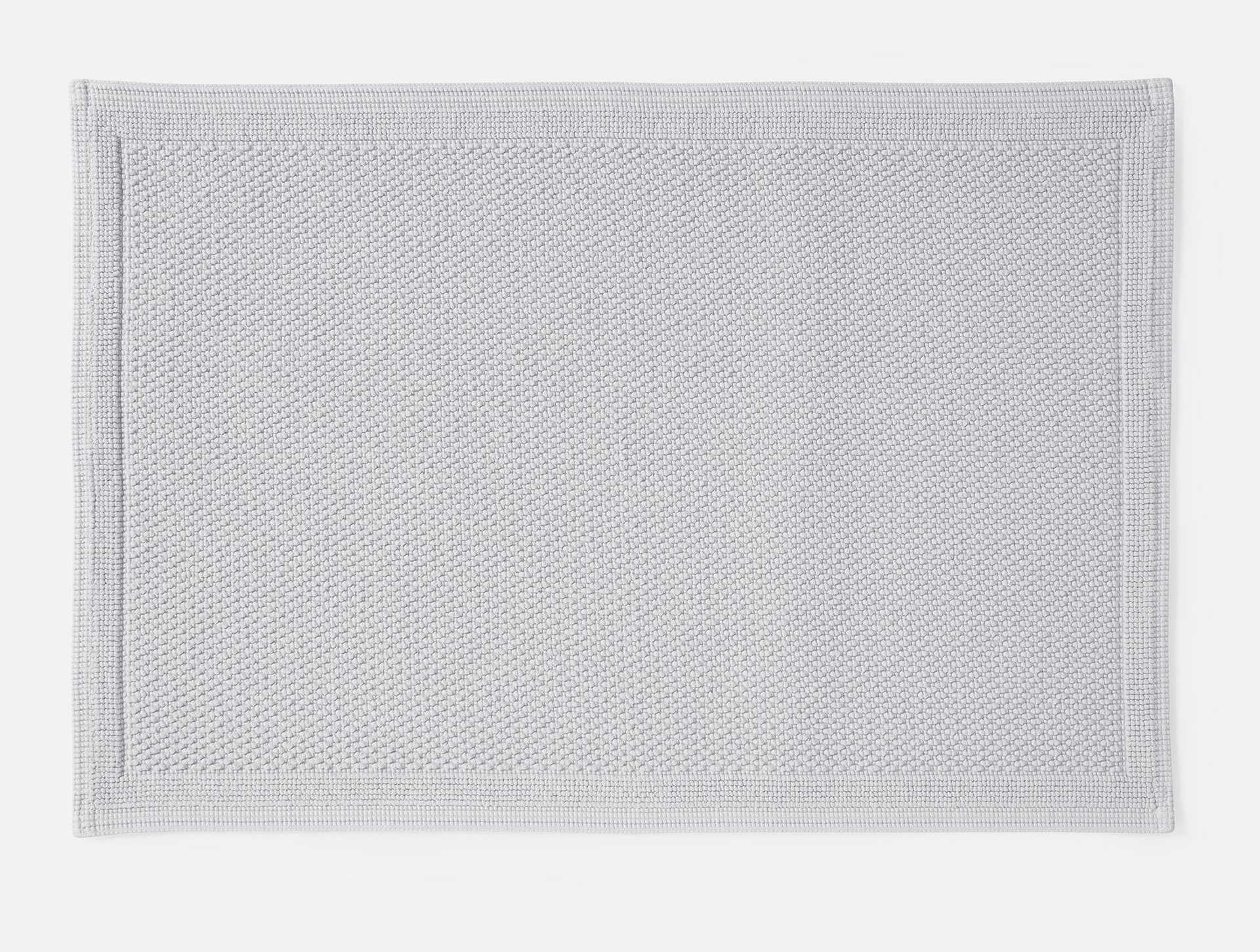
Organic and natural fibers often offer enhanced softness, durability, and sustainability considerations. For example, the Cove Organic Bath Rug demonstrates how certified organic cotton blends can provide plush underfoot comfort, improved absorbency, and lower chemical exposure. Such materials support a healthier bathroom environment and align with eco-conscious bedding and mattress choices in the same home ecosystem.
Key features to evaluate include thickness, weave construction, non-slip backing, and machine-washability. A well-designed bath rug should absorb moisture efficiently, dry rapidly between uses, and stay in place to minimize slips. Pile height and density influence cushion feel and longevity, while edges and hems contribute to overall wear resistance in high-traffic bathrooms.
Functionally, bath mats serve as a transitional layer between the shower or tub and the rest of the bathroom, protecting flooring and reducing water buildup. Rug textures—from plush deep-pile to looped or flat-weave—offer different levels of comfort and maintenance, enabling compatibility with a range of bathroom styles and existing linens such as towels and sheets.
When evaluating products like the Cove Organic Bath Rug, consider how features align with broader bedroom-and-bath ecosystems, including bedding, sheets, and organic mattress options. Integrating knowledge of materials, care instructions, and functional benefits supports informed decisions about long-term use and compatibility with other essentials in the home environment.
 Bath
Bath