Mattresses serve as the foundation for sleep quality, supporting spinal alignment, pressure relief, and temperature regulation throughout the night. In this category, users encounter a range of materials and constructions designed to suit various sleep positions, firmness preferences, and ergonomic needs. Understanding the distinctions between organic, hybrid, and traditional innerspring options helps inform healthier, more restorative rest.
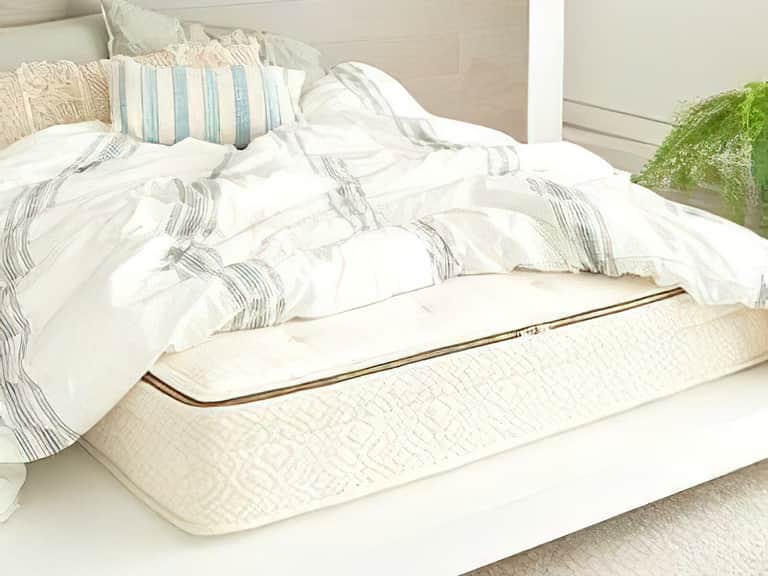
Organic mattresses prioritize natural materials such as latex, cotton, and wool, reducing synthetic exposure while promoting breathability and durability. Key features to note include certifications, absence of harmful chemicals, and long-term resilience. These attributes contribute to better indoor air quality and can appeal to sleepers with sensitivities or preference for eco-friendly bedding.
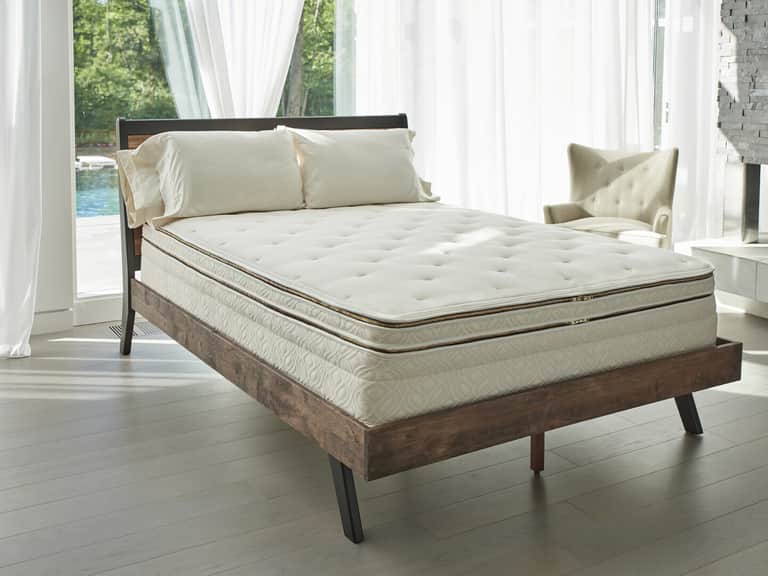
Hybrid mattresses combine springs with foam or latex comfort layers to balance support and contouring. This configuration often yields improved airflow and a varied response to pressure points, making hybrids suitable for a range of weights and sleep styles. For data-driven decisions, consider coil density, comfort layer thickness, and edge support performance.
Innerspring models remain a longtime standard, delivering robust support with a familiar bounce and dependable durability. Modern innersprings frequently pair with enhanced foams or latex to improve motion isolation and conforming comfort. Understanding coil count, gauge, and zoning helps assess where a given mattress may excel for alignment and durable performance.
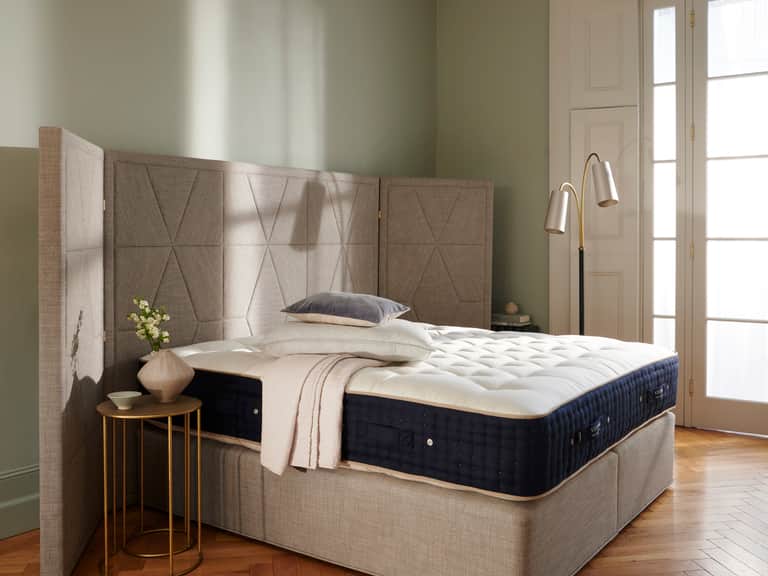
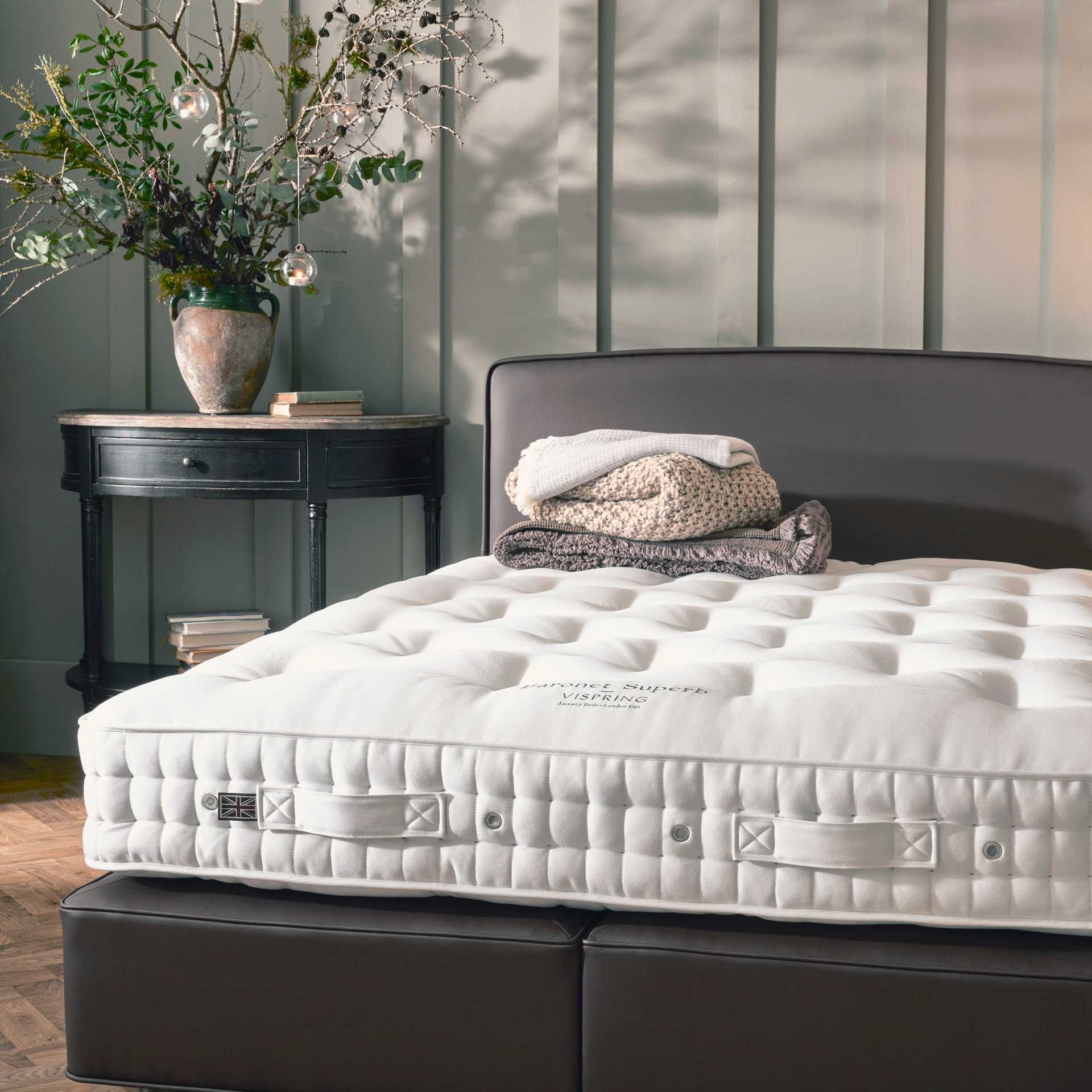
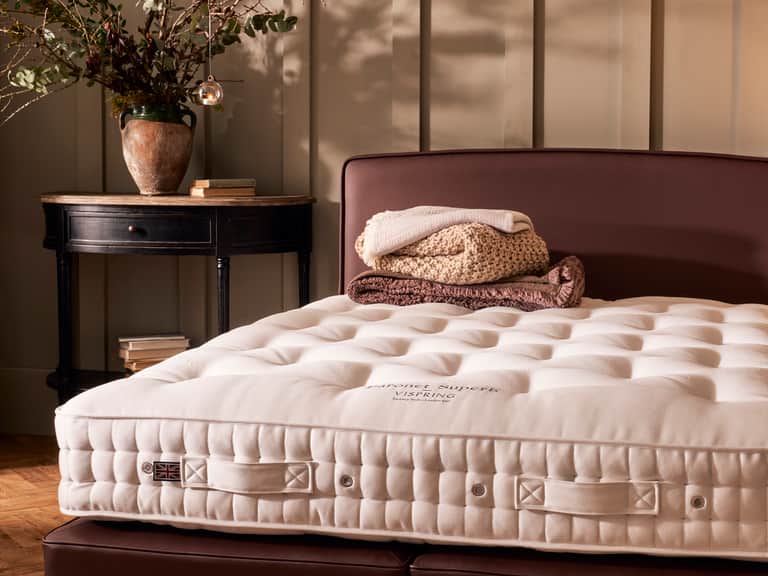
Notable examples include the Naturepedic Azure Hybrid Organic Mattress, which integrates organic materials with hybrid construction for balanced support and breathability, and the Vispring Diamond Majesty Mattress, renowned for luxurious hand-tufted comfort, premium springs, and exceptional durability. Both options illustrate how material choices and engineering translate into sleep quality and functional longevity.
 Mattresses